
x402 Regulation and Licensing Considerations
x402 does not by itself determine the regulatory characterization of a business.
A useful distinction is:
Model A — Merchant receives payment for its own service

This can be very different legally from:
Model B — Company moves value for others
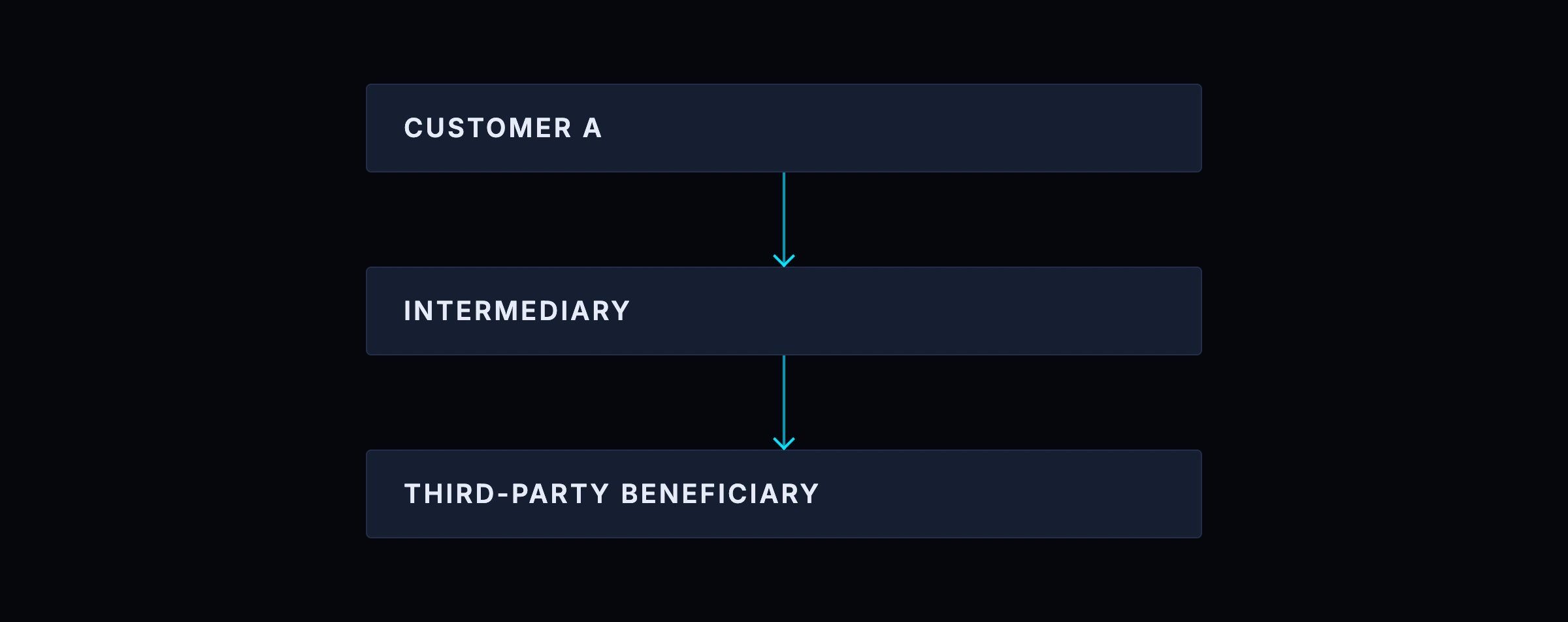
or:
Model C — Company holds pooled customer value
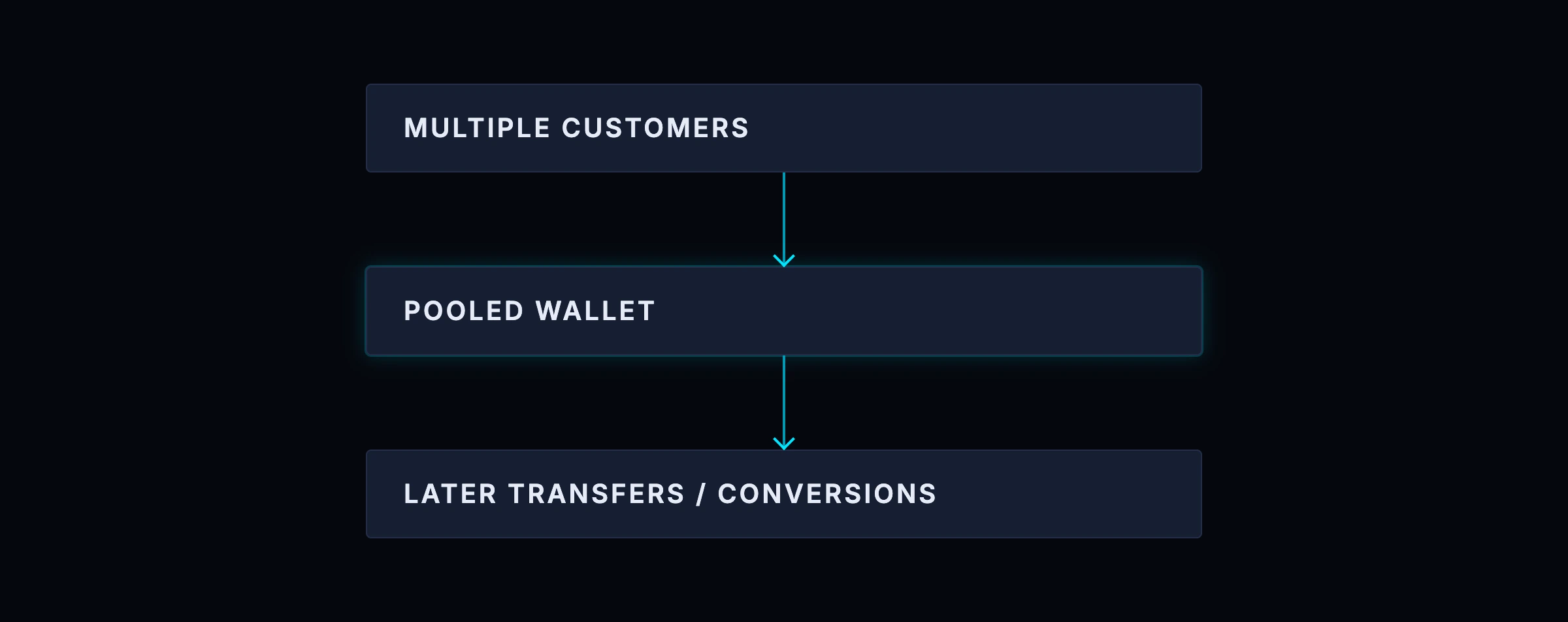
or:
Model D — Company exchanges value
fiat
 ↓
conversion service
 ↓
stablecoin

or vice versa
The protocol name does not decide the licensing outcome.
The facts do.
Questions to analyze include:
Does the company ever take possession/control of third-party value?
Does it transmit value to another person?
Does it exchange fiat and virtual assets?
Does it maintain customer balances?
Does it custody keys?
Does it operate pooled wallets?
Does it merely provide software?
Does it merely verify a signed transaction?
Who is the merchant of record?
Who is the beneficiary?
Who determines the destination?
Can the intermediary redirect funds?
Does the facilitator ever control customer funds?
What jurisdictions are involved?
A facilitator that merely verifies and broadcasts a payer's tightly constrained signed authorization presents a different technical fact pattern from a custodian holding customer funds—but the final regulatory analysis is jurisdiction- and model-specific.
Compliance can still be layered in
A facilitator or merchant can apply:
KYT;
wallet-risk rules;
geography restrictions;
deny lists;
amount thresholds.
Some production facilitator offerings explicitly incorporate controls such as KYT/geographic restrictions.
The broader point:
x402 removes commercial/payment-interface friction. It does not remove regulated-risk obligations.
Related x402 Explainers
If You Are Building This Commercially
If the flow involves third-party money movement, custody, payouts, exchange, or customer balances, review the appropriate payments and fintech licensing pathways. If fiat customer money is pooled or administered, an FBO account may be part of the banking structure—but an account does not substitute for required licensing.
Key Takeaway
Start with the business model and flow of funds, then identify custody/control, parties, jurisdictions, regulated activities, and the required licenses, exemptions, or regulated partners.
This page is part of x402 Protocol Explained, the full guide to how machine-to-machine payments work.